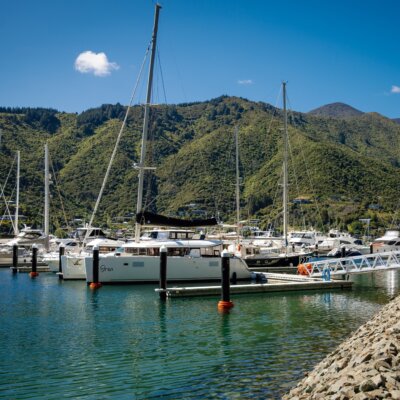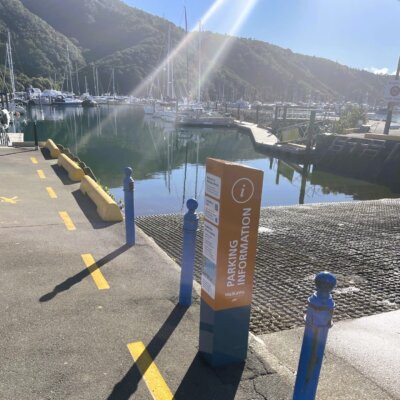
Strong Winds, Colder Days: Is Your Boat Prepared?
After a surprisingly mild and dry June in Marlborough, winter is beginning to make its presence felt, with colder temperatures settling in over recent weeks. Add in some strong winds, and it’s worth asking: is your boat ready for winter?
Recent weather events have highlighted the importance of securing loose equipment on board. Strong winds can easily lift or dislodge items such as inflatable dinghies, kayaks, canvas covers, fenders, and other deck gear, increasing the risk of damage throughout the marina.
Storm conditions can also place significant strain on mooring lines and fittings, making regular inspections essential. Taking the time to secure loose items and check critical equipment can help protect your vessel, neighbouring boats, and marina infrastructure during winter weather.
To help you prepare, the Waikawa Marina team has put together some practical winter readiness tips.
1. Check Your Mooring Lines 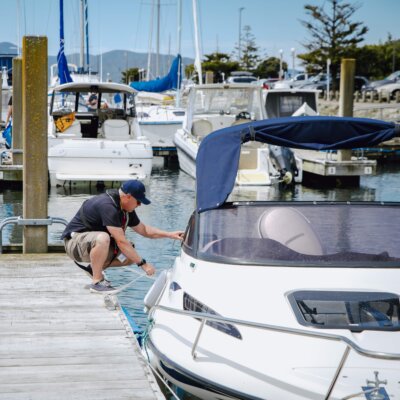
Ensure all mooring lines are correctly sized for your vessel, in good condition, and properly rigged with appropriate spring lines. Winter weather can place additional loads on lines and cleats, so now is a good time to inspect them for wear and replace any that show signs of deterioration.
Read more here Ensuring Your Mooring Lines Are Fit for Purpose – Marlborough Marinas
2. Secure or Remove Furled Sails
Where possible, remove sails from furlers and store them below deck. If sails remain on board, ensure they are tightly furled and all control lines are securely cleated to prevent accidental unfurling in strong winds.
3. Inspect Electrical Connections
Check that your EWOF is current, lock rings are fully engaged, and shore power leads are in good condition with sufficient slack to allow for vessel movement. Remember that heaters and dehumidifiers can increase both fire risk and electricity costs, so ensure they are used safely and appropriately.
4. Minimise Deck Gear
Keep deck gear to a minimum and securely stow anything that is not required. Fuel containers should not be stored on deck. Ensure tenders are properly secured and consider removing covers or biminis that are worn or not in sound condition.
5. Maintain Fuel Systems
Keep fuel tanks as full as practicable to reduce condensation and minimise the risk of diesel bug. When servicing filters, use absorbent pads to prevent spills. Please note that fuelling from jerry cans at marina berths is not permitted.
6. Keep Bilges Clean 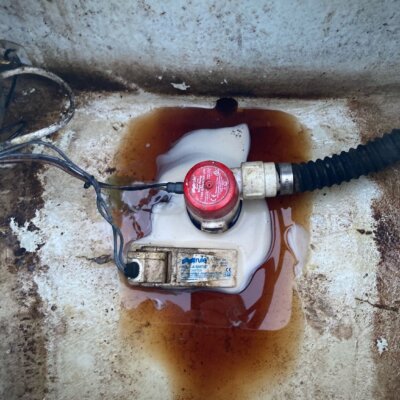
Ensure bilges are clean and free of oil, fuel, dirt, and debris so bilge pumps can operate effectively when needed. Any discharge into the marina must be free of contaminants.
Read more here Why Your Bilge Matters More Than You Think – Marlborough Marinas
7. Check Your Plumbing
Pump out holding tanks at the designated pump-out station on the fuel jetty and leave seacocks closed when not in use.
A Little Preparation Goes a Long Way
Winter weather can arrive quickly and unexpectedly. A few simple checks now can help prevent damage, avoid costly repairs, and keep the marina safe for everyone.
Thank you for doing your part to help protect your vessel, your neighbours, and our marina community this winter.