Good Intentions, Wrong Bin: The Hidden Cost of Contaminated Recycling
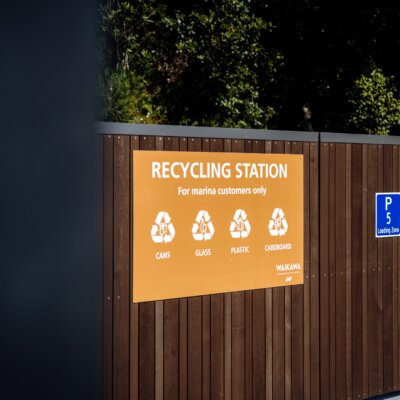 Last year, you told us that better waste and recycling facilities were important to you – and we listened. In response to your feedback, we made some big improvements across Picton and Waikawa marinas, including a brand‑new rubbish and recycling compound at Waikawa Marina and the rollout of WasteMINZ colour‑coded bins across all three marinas.
Why clean and correct recycling matters
Recycling works best when items are clean and in the correct bin. Contamination happens when the wrong items, or unwashed containers, are placed in recycling bins. When this occurs, otherwise recyclable material can’t be processed and may need to be sent to landfill.
To put this into perspective, in February we collected 320kg of recyclables across our marina facilities — but 44% had to be sent to landfill due to contamination. That’s recyclable material missing its chance to be reused, simply because it wasn’t clean or contained items that didn’t belong there.
Getting recycling right also matters from a cost perspective. Recycling is less expensive than landfill disposal, and separating waste at source helps keep waste management costs down. Using the correct bin, rather than defaulting to general waste, plays a role in keeping marina customer waste management contribution fees stable.
A quick guide: what goes where
Our waste and recycling facilities are for rubbish and recycling generated on board your boat only. Before anything goes into the recycling bins, please make sure the items are accepted recycling materials, empty, and clean.
GREY LID BIN – Cardboard
Clean, dry cardboard only. Please flatten boxes before placing them in the bin. Damp or food‑stained cardboard can’t be recycled, so keeping it dry really helps.
YELLOW LID BIN – Mixed Recycling 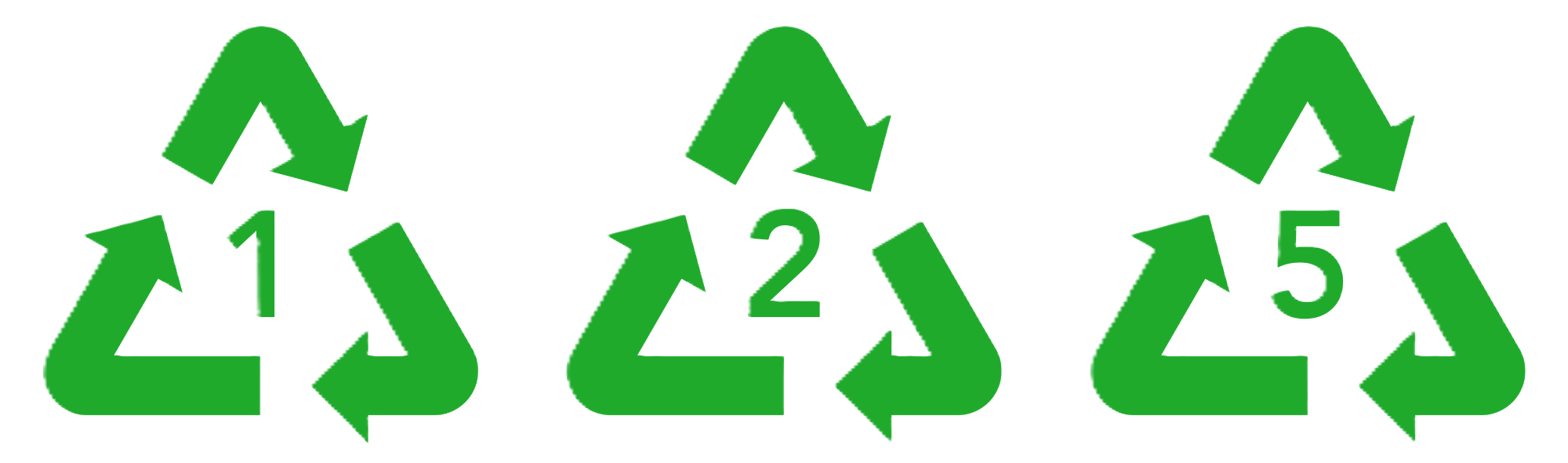
Clean, rinsed, and dry plastic bottles and containers (marked with recycling numbers 1, 2, or 5), plus steel and tin cans.
No need to be spotless — just free of food and liquid.
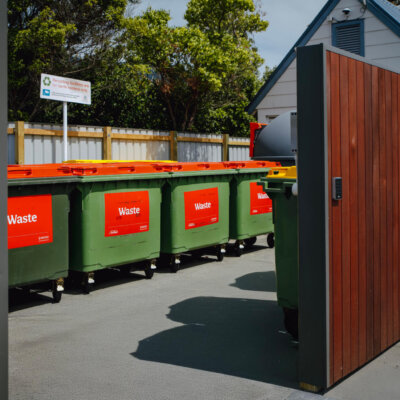 SKIP BIN – Glass
For empty glass bottles and jars. The skip is currently grey, with blue colour coding coming in the future.
RED LID BIN – General Waste
Anything that can’t be recycled, or items that can’t be cleaned, belongs here.
What not to put in marina waste and recycling bins 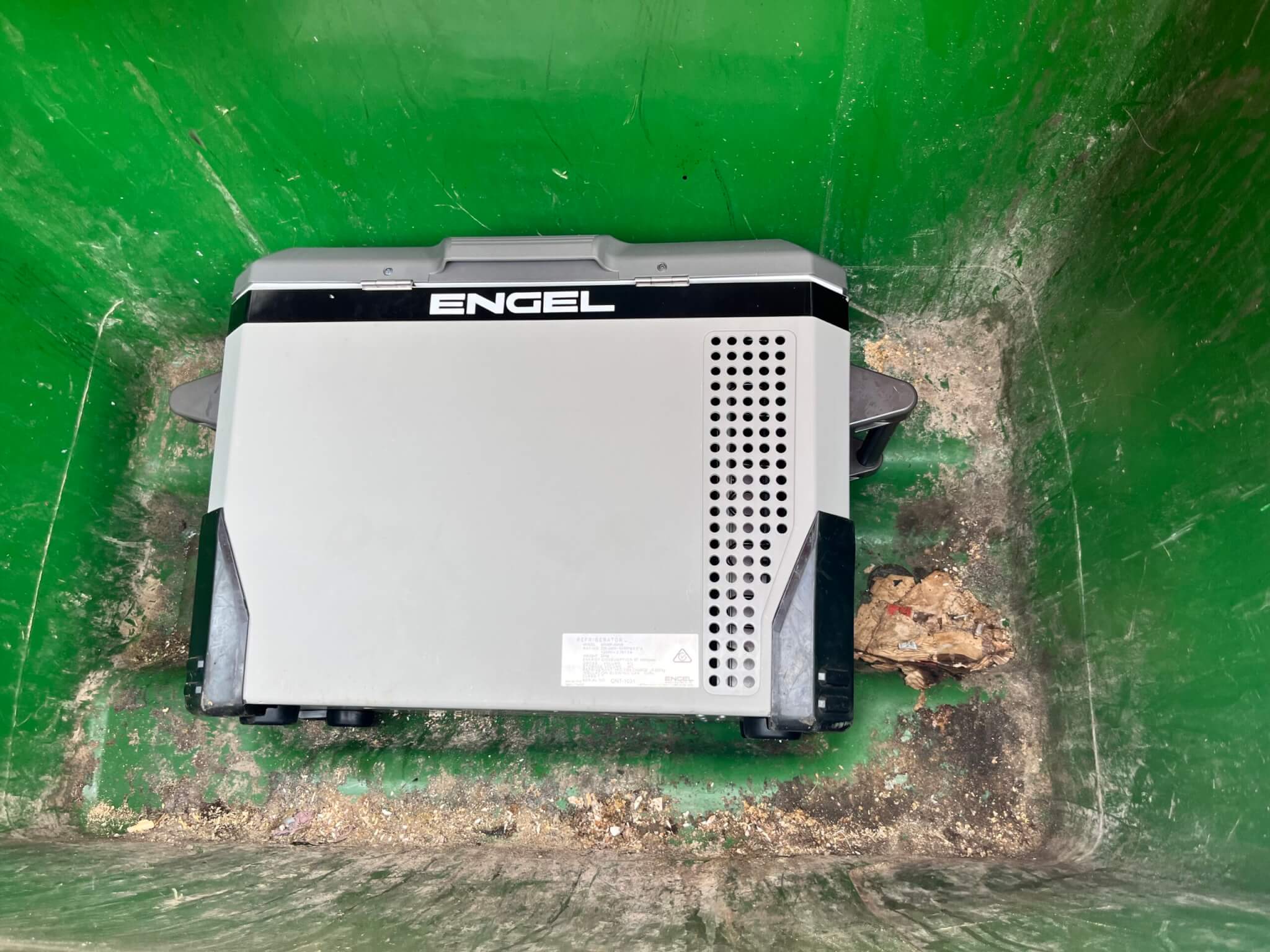
Some items need special handling to ensure they’re dealt with safely and responsibly. These must not go into marina waste or recycling bins:
- Electrical equipment such as radios, fridges, batteries, and appliances
- Hazardous substances, including materials that are explosive, flammable, oxidising, toxic, corrosive, or ecotoxic
These items should be taken to an appropriate transfer station, such as Picton or Blenheim. There, items can be checked for recoverable materials and anything hazardous can be disposed of correctly, reducing the risk of environmental harm and supporting a more circular economy.
A quick rinse and a moment to choose the right bin can make a real difference — and supports everyone who’s already doing the right thing.